Optimal Timing for Concrete Installations
Determining the optimal time for concrete installations depends on climate conditions, temperature, and humidity. Proper timing ensures durability, prevents cracking, and promotes optimal curing. The most favorable periods typically involve mild temperatures and low precipitation, which are crucial for achieving strong, long-lasting concrete surfaces.
Concrete sets best when temperatures are between 50°F and 85°F. Extremes outside this range can hinder curing and compromise strength.
Rain can disrupt the setting process, while high humidity may lead to surface issues. Scheduling during dry weather is recommended.
Spring and fall often provide suitable weather conditions, avoiding the extreme cold of winter and heat of summer.
Proper timing minimizes the risk of cracks and surface defects, extending the lifespan of the installation.
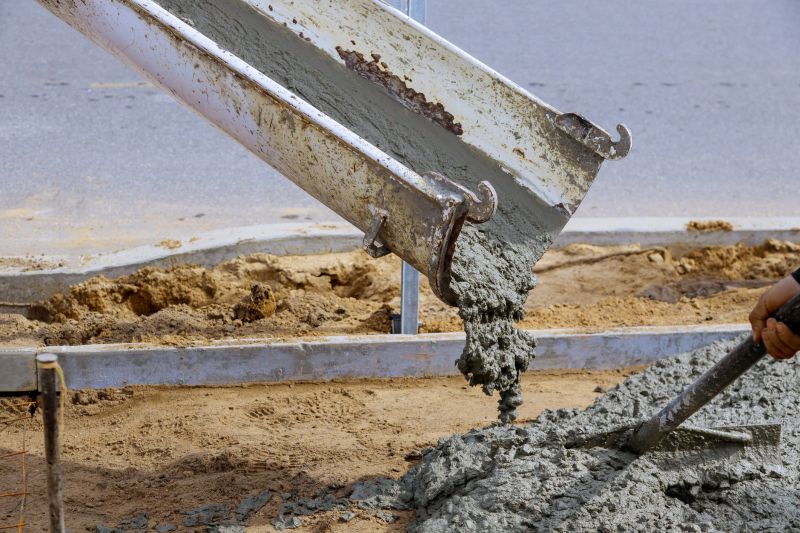
Ideal conditions for concrete installation during spring and fall.
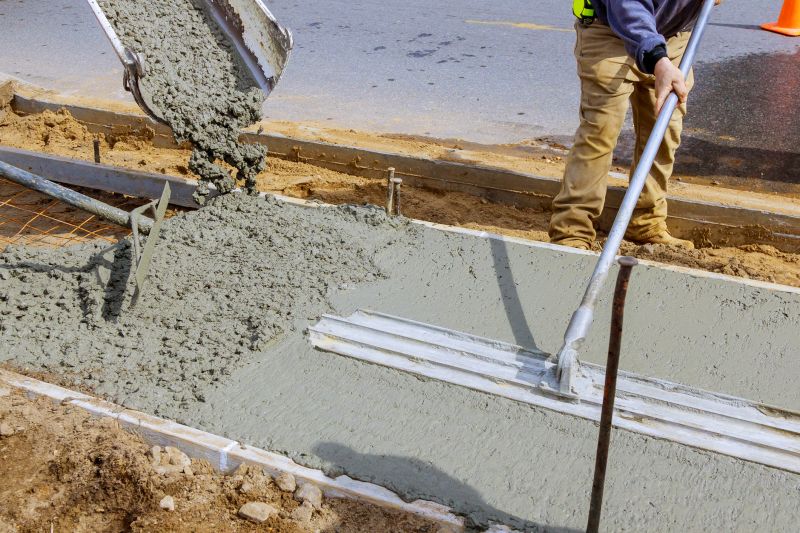
Scheduling during dry periods reduces weather-related disruptions.
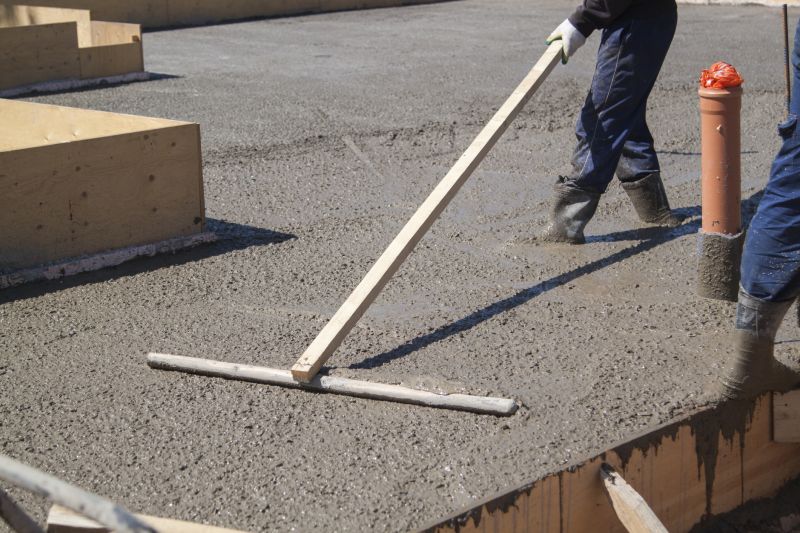
Monitoring weather conditions ensures optimal curing environments.
Ways to make Concrete Installations work in tight or awkward layouts.
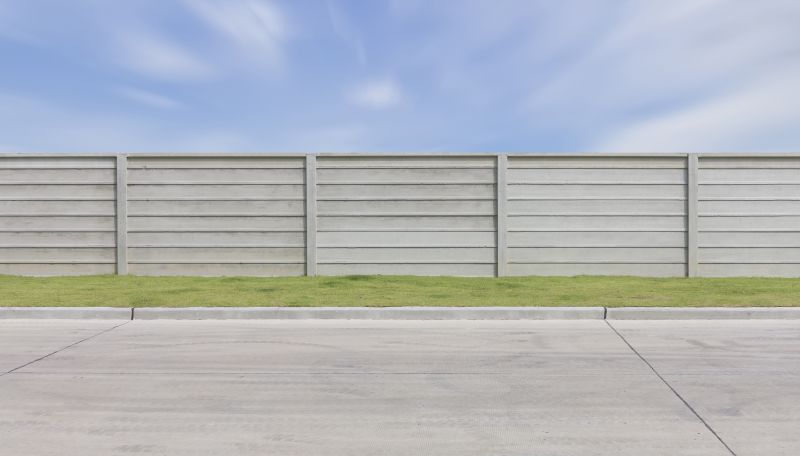
Popular materials for Concrete Installations and why they hold up over time.
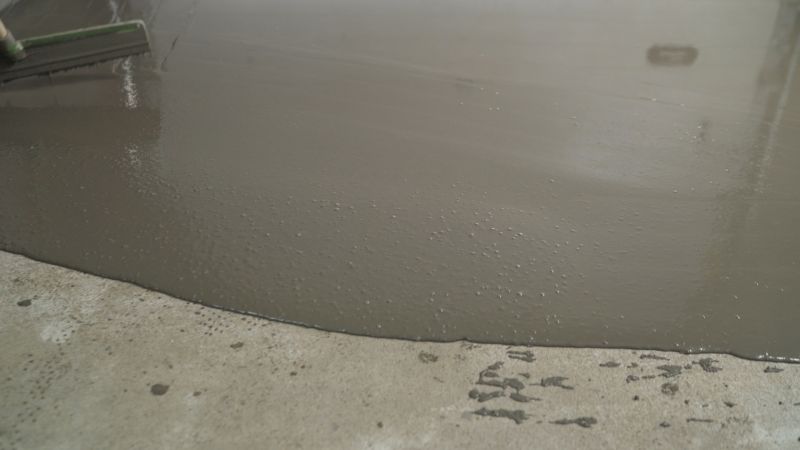
Simple add-ons that improve Concrete Installations without blowing the budget.
| Season | Best Conditions |
|---|---|
| Spring | Moderate temperatures, low precipitation |
| Summer | Early morning or late evening work recommended |
| Fall | Cool temperatures, dry weather |
| Winter | Not recommended unless heated or sheltered |
| Dry Season | Ideal for consistent weather |
Concrete installation is a precise process that benefits from optimal timing. Proper scheduling during suitable weather conditions helps prevent common issues such as cracking, surface scaling, and uneven curing. Climate considerations are essential for achieving a durable and high-quality surface that maintains its integrity over time.
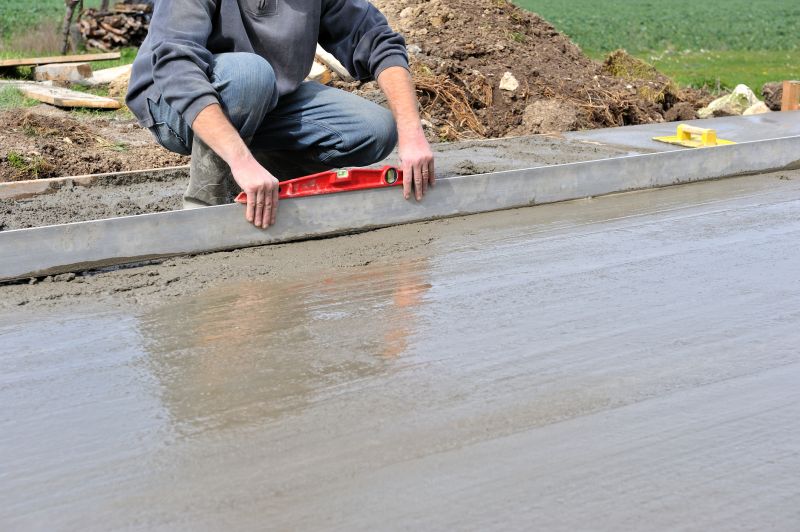
Spring offers favorable weather for concrete work.
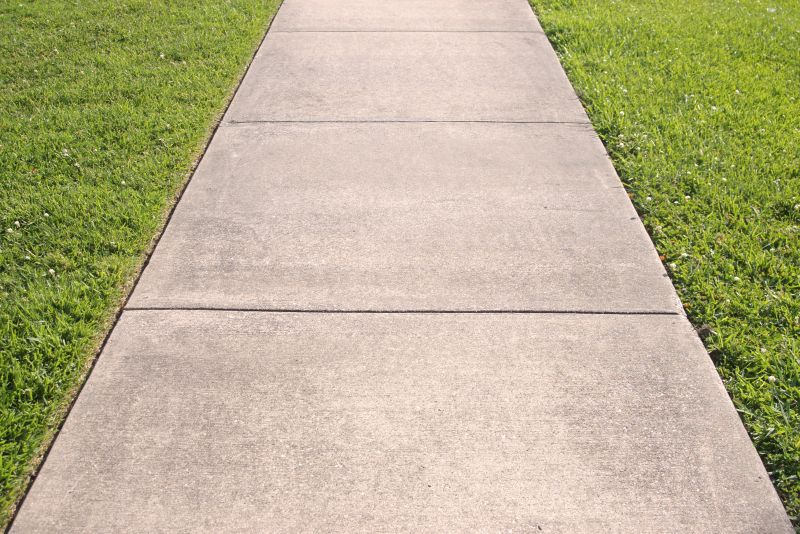
Early mornings are best for summer installations.
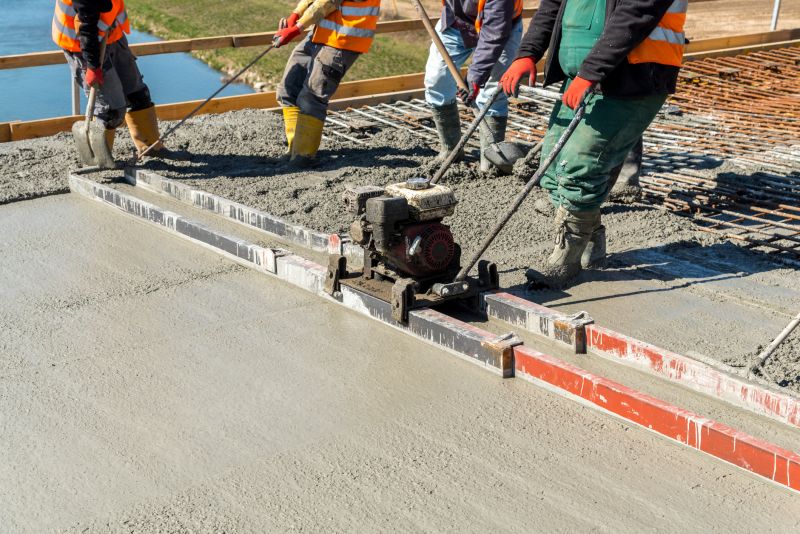
Cool and dry conditions support curing.
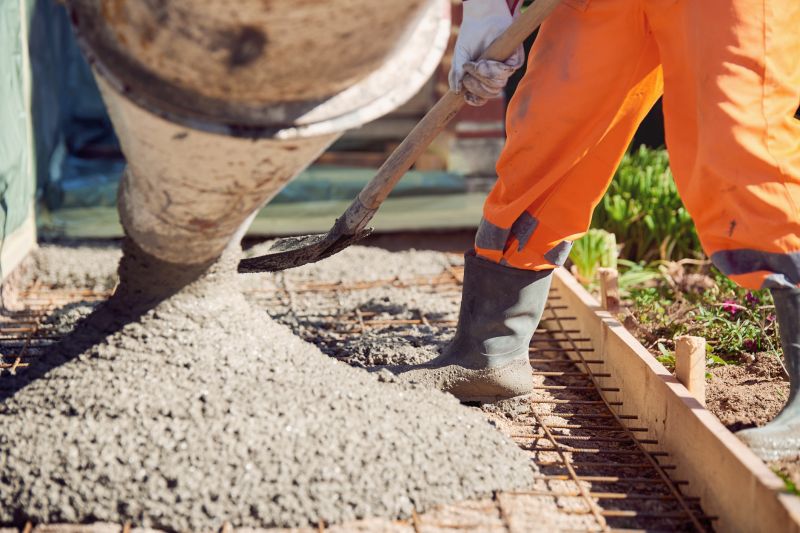
Winter work requires special measures to prevent freezing.
Scheduling concrete installations during the appropriate seasons and weather conditions ensures optimal results. Proper timing reduces the risk of defects and enhances the longevity of the finished surface. For those considering a project in Napa, California, understanding local climate patterns is key to successful concrete work.
Interested in scheduling a concrete installation? Fill out the contact form to discuss project details and timing options.